








Introduction
Heating pads have been developed drastically over the last few years. Nowadays, users look for safe and portable pain relief along with effective solutions. Medical research indicates that heat therapy can help lessen muscle pain and stiffness and has been proven to be effective in musculoskeletal pain, which makes portable heating pads an indispensable accessory in the case of chronic pain management [1]. The use of graphene heat packs is revolutionizing this area, providing quick heat-up time, evenly distributed warmth, and a heating pad that performs longer.
In this review, we will describe how graphene portable heating pads differ from conventional ones. We will discuss materials, heating efficiency, safety features, and sourcing tips. Besides that, get to know how Fancyfix offers a variety of high-tech heating products that can satisfy consumer requirements.

What Is a Traditional Heating Pad?
Conventional heating pads have long been a go-to solution for targeted heat therapy on specific areas of the body. These traditional heating pads for pain relief typically rely on electric coils or microwave-heated materials to generate warmth, making them widely used for reducing back pain, relieving stiff muscles, and easing menstrual discomfort [2]. However, these pads have several drawbacks: they not only take longer to heat but also do not always give uniform heat.
Traditional heating pads have been around for years and have done their job, but modern innovations are changing the face of heat therapy. Graphene heating pads provide faster and more uniform heat, along with better safety features, which makes them a wise option for today's users.
What Makes Graphene Heating Different?
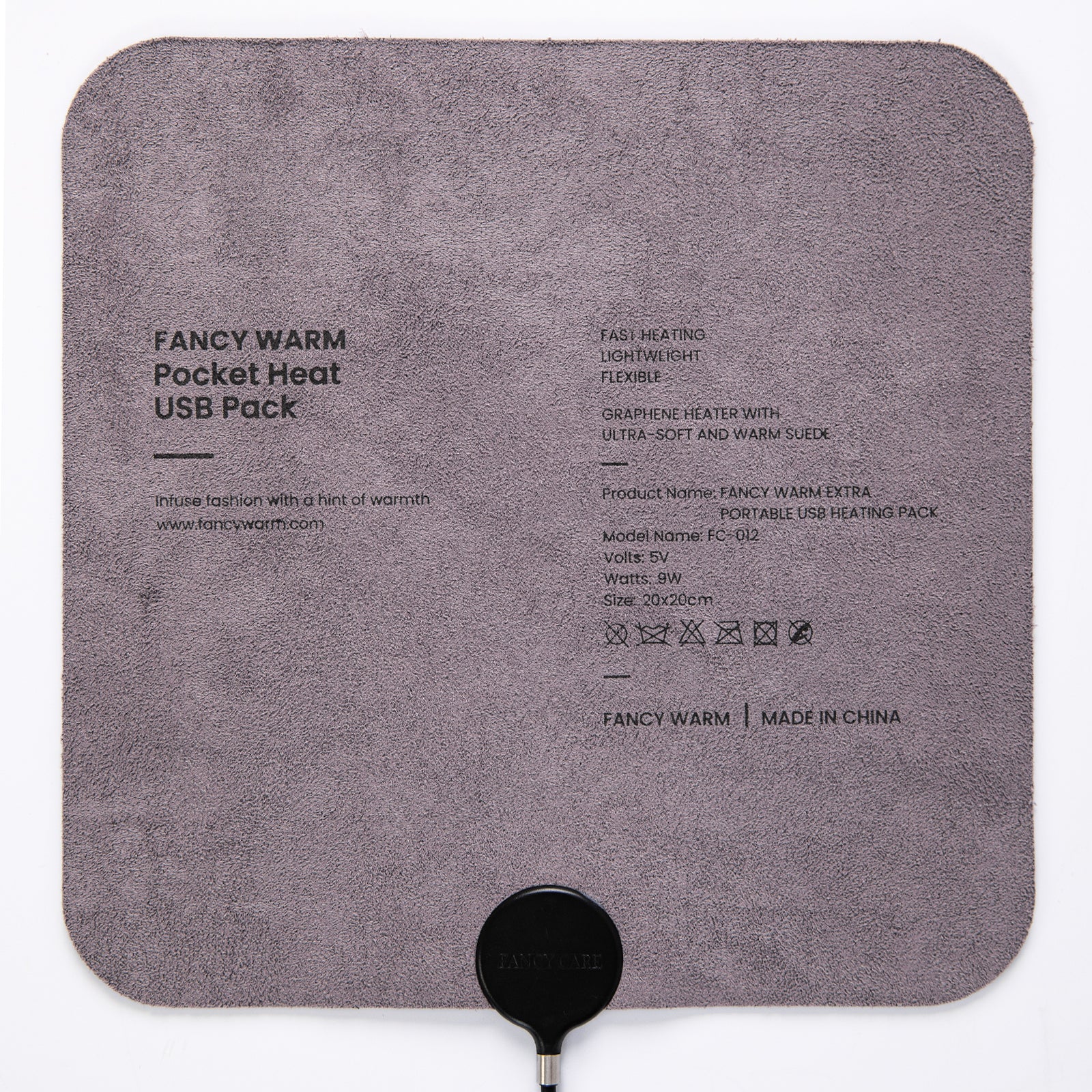
Graphene heating pads are at the forefront of heat therapy technology. Rather than using electric coils or microwaveable filling like traditional heating pads, graphene employs a single layer of carbon atoms to efficiently and evenly transfer heat [3]. Such a breakthrough offers the benefits of quicker heating, consistent temperature all over the pad, and lower energy usage, which is great for portable, rechargeable heating pads as well as biomedical applications [4].
Smarter: key benefits of graphene heating pads
● Heat is distributed evenly: Coil-based pads often cause hot spots, but graphene provides consistent warmth across the whole surface, thus making the product more comfortable and efficient.
● Power saving: Since graphene uses less power, it is suitable for rechargeable and portable heating pads that require longer battery life.
● Compact and bendable: Thanks to the super-thin graphene layer, the pads fit the body curves very well, which makes them great for treating backaches and joint pain.
● Reliable and long-lasting: Due to the excellent durability of the graphene structure, pads can be used thousands of times with uniform performance, which also helps in cutting down replacement costs.
● Temperature control: A lot of new graphene pads come with different temperature levels and timed therapy options for more customized pain relief.
● Quick heat-up: Unlike the traditional pads that take a few minutes, graphene pads reach the set temperature in only 30 to 60 seconds, thus users can save on their time.

Safer: Why Users Feel More Secure with Modern Heating Design
Overheat protection:
Most graphene heating pads come with built-in temperature controls that are designed to turn the heating element off when it reaches a certain temperature, therefore preventing burns or discomfort.
Low EMF emissions:
Graphene backache heating pads produce low electromagnetic fields [5], which is a safety concern that is often raised in connection with traditional electric heating pads.
Fire-resistant materials:
The best quality heat pads use fire-retardant, non-toxic materials in the manufacturing process to ensure safety during prolonged use of the heating device.
Portable and rechargeable:
This feature on the part of the heating pads means the users are no longer confined to the use of therapy at home. They can carry it around physically, use it in the office, or even during travel, and the location will not install a barrier as the device cuts the cord to an expansion via the battery.
Medical approval compatibility:
Most graphene heating pads meet international safety and medical standards, which not only motivates their purchase but also helps the distributors on one hand and provides the end users on the other hand with trust in the product.
Durability under repeated use:
Graphene heating pads can be used even for thousands of heating cycles, at which point the safety and performance of the device are still not compromised, and the frequency of replacements, together with the cost, is reduced.
Hygienic and easy to maintain:
Compared with traditional pads, graphene pads are frequently a step ahead as they come with wipeable surfaces and removable covers, hence lowering bacteria build-up and, therefore, they are also suitable for clinic or spa use, which is usually shared among several users.
Enhanced design for targeted therapy:
To deliver the heat exactly where it is needed, without overheating the surrounding areas, modern heating pads are designed with contoured shapes and/or different heating zones in the form of segments.
Thanks to these cutting-edge safety advantages, heating pads made of graphene can offer users not only a feeling of security but also a steady treatment result, which makes them, in the first place, a strong resort when it comes to the choice of retail buyers, distributors, and medical suppliers.

Traditional Heating Pads vs Graphene Heating Pads | Comparison Chart
Here's a detailed comparison table tailored for buyers, highlighting key aspects of conventional vs graphene heating pads:
|
Feature / Parameter |
Conventional Heating Pad |
Graphene Heating Pad |
|
Heating technology |
Electric coils or microwavable fillings |
Single-atom-thick graphene layer |
|
Heat-up time |
5–10 minutes |
30–60 seconds |
|
Heat distribution |
Uneven; hot spots possible |
Uniform across the pad |
|
Temperature control |
Limited levels; manual adjustment |
Multiple levels with auto temperature regulation |
|
Energy consumption |
Higher |
Lower; energy-efficient |
|
Safety features |
Basic overheat protection |
Advanced: auto shut-off, low EMF, fire-resistant materials |
|
Portability |
Generally bulky, limited mobility |
Lightweight, flexible, and portable |
|
Durability |
Coils or fillings may degrade over time |
Long-lasting; withstands thousands of uses |
|
Medical compliance |
Varies; often minimal |
Many comply with international safety and medical standards |
|
Cleaning & maintenance |
Harder to clean; may retain moisture |
Easy to wipe or with removable covers |
|
Target use scenarios |
Limited; mostly back or general body use |
Versatile: hands, abdomen, knees, shoulders/neck, office, travel |
|
Price & sourcing |
Lower initial cost; widely available |
Slightly higher cost; growing supplier options |
|
Rechargeable/portable options |
Rare |
Widely available; USB or power bank compatible |
How to Choose the Right Heating Pad
Selecting the appropriate heating pad is crucial for guaranteeing one's safety, versatility of use, and enduring comfort. Buyers should check a few main aspects to satisfy consumer demands as well as their own sourcing requirements.
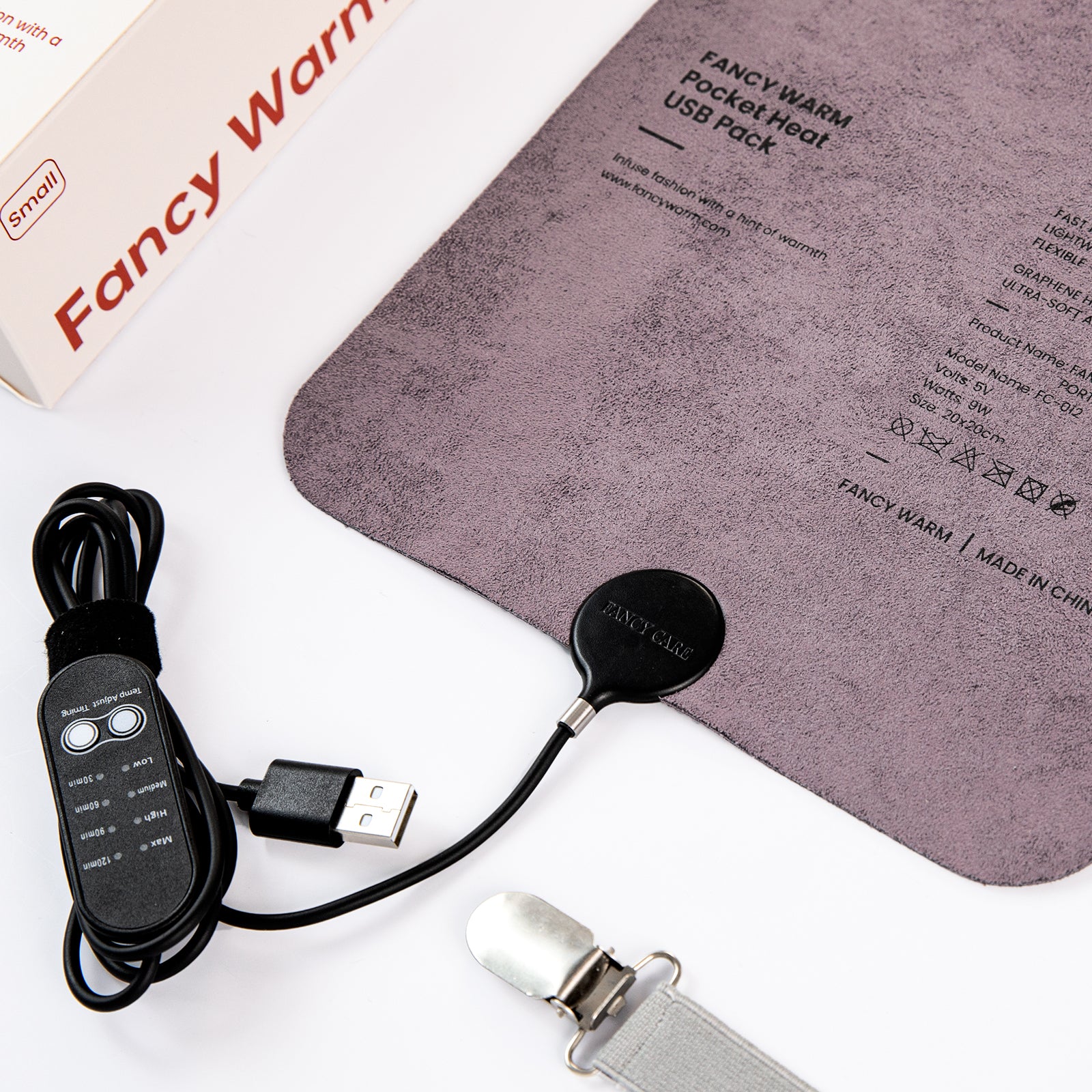
● Check the power supply method: It is necessary to find out if the pad is powered through USB, power bank, or wall outlet. For portable heating pads, rechargeable types offer maximum user mobility and convenience.
● Check the temperature control settings: Pads with different heat levels and automatic temperature control are ideal. Having choices for therapy settings on various pain points is a plus for users, apart from safety.
● Check the intended use scenarios: Heating pads are designed for specific body areas and situations. Consider pads suited for hands, abdomen, knees, shoulders/neck, office use, or travel, ensuring versatile functionality for end-users.
● Check the material and cleaning method: Pads of good quality should employ hypoallergenic, robust materials and should feature removable or wipeable covers for hygiene. Such features provide comfort during prolonged exposure to skin and cleanliness, which are indispensable in case of shared or commercial use.
If you are a buyer looking for top-notch heating pads, FancyFix has a dependable range of portable and rechargeable portable heating pads. These products are made with safety, comfort, and the everyday user in mind. You can offer your customers through retail, wholesale, or even bulk sourcing, modern heat therapy products at the right time and place.
Conclusion
Graphene portable heating pads are a superior alternative to conventional models, given their speed, safety, and low power consumption. This makes them an ideal option for contemporary users and a great source of revenue for wholesalers, distributors, and retail buyers. Thanks to their quick heating, consistent warmth, ergonomic and portable rechargeable features, and sophisticated safety measures, these heating pads not only satisfy the consumer's desires but also meet standards.
If you are a business that wants to offer top-grade heating products, FancyFix is your one-stop shop with a selection of dependable and innovative backache heating pads designed for comfort, safety, and long-lasting usage. Expanding to graphene heat technology guarantees presenting your customers with the most up-to-date, secure, and efficient heat therapy every time.
Sources:
- MDPI: Heat Therapy for Musculoskeletal Pain Conditions: Actionable Suggestions for Pharmacists from a Panel of Experts
- NIH: Heat therapy for primary dysmenorrhea: A systematic review and meta-analysis of its effects on pain relief and quality of life
- Grokipedia: Heat therapy for primary dysmenorrhea: A systematic review and meta-analysis of its effects on pain relief and quality of life
- ResearchGate: An Evaluation of Graphene as a Multi-Functional Heating Element for Biomedical Applications
- Graphenerich: Comparison: Graphene Heating vs. Traditional Electric Heating Wire