



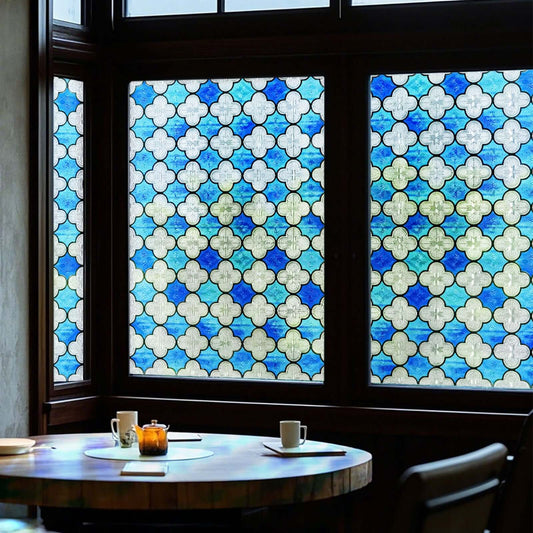

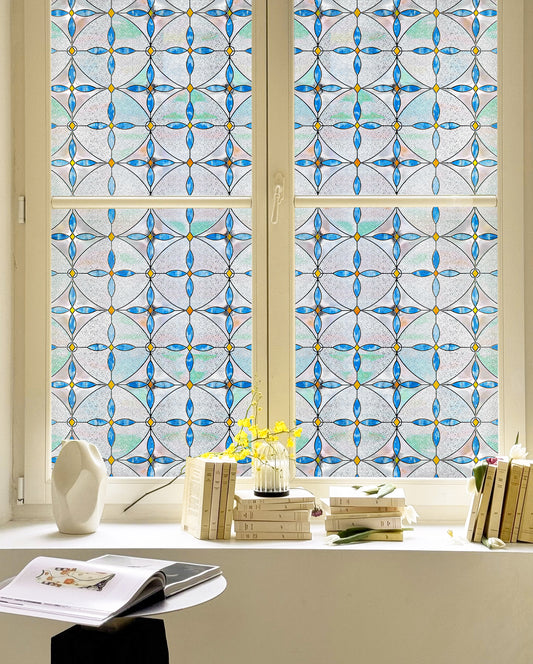

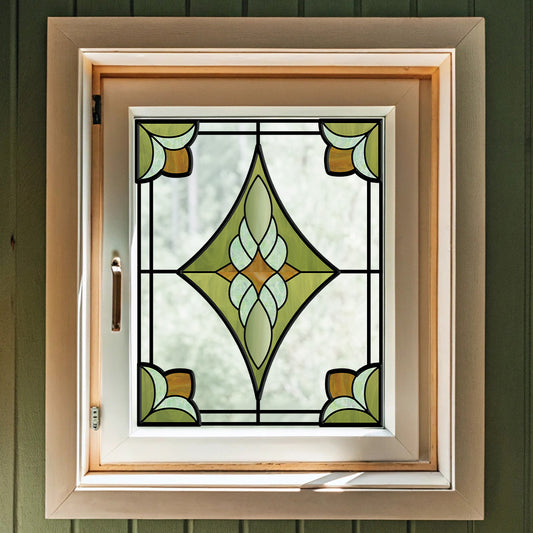


FancyFix product scope: FancyFix's current decorative window films are sold for decorative and product-specific visual-screening effects. They do not have approved UV-blocking, heat-reduction, insulation, energy-saving, security, soundproofing, or one-way/nighttime-privacy ratings. Check the linked product page for facts about a specific design.
Soundproof window film is a simple, affordable solution for homeowners struggling with street noise, loud neighbors, or traffic disruption. Unlike costly structural soundproofing, this peel-and-stick film installs in minutes and delivers real noise reduction—while also improving privacy, blocking UV rays, and enhancing your home's appearance.
In this guide, we'll break down exactly how soundproof window film works, what benefits it offers, and how to choose the right product for your needs.

How Does Soundproof Window Film Actually Work?
Sound is transmitted through solid surfaces like walls, windows, and doors through:
- Vibration- When sound waves strike a surface, they cause the particles within that surface to vibrate at specific frequencies. These vibrations are then transferred through the material, allowing sound to pass from one side to the other.
- Infiltration- Sound also travels through small openings and gaps around windows and doors. Even tiny cracks can allow significant amounts of outdoor noise to enter a room.
Windows and glass doors generally tend to be thinner than walls. It is, therefore, easy for sound to travel through them by vibration. Installing multi-layered window film thickens them. This significantly reduces the ability of sound waves to penetrate them.
Additionally, window film is made using polyester or vinyl. Both of these materials have a lower density than glass. Low-density materials are poor sound transmitters. Consequently, window film dampens the transition of noise into your home because it is a poor transmitter of sound.
It is, nonetheless, vital to ensure that the entire surface area of your windows and glass doors is covered by the window film. You should also strive to fill any gaps along such areas because they can become access points for noise to invade your space.
Now that we understand how window films provide a soundproofing effect, here are the benefits of choosing this approach.
Looking for a high-quality multi-layer option? Browse FancyFix Privacy Window Films →
Is Soundproof Window Film Cost-Effective?
Traditional soundproofing can be quite costly. Its price includes the cost of the soundproofing material and professional installation. You may also need to make some changes in your home or specially prepare your walls before the soundproofing installation.
In comparison, the multi-layered window films recommended for soundproofing are significantly cheaper. You also only need to install them on windows and any glass doors you have in your home. This is much cheaper too compared to soundproofing an entire house.
Admittedly, traditional soundproofing methods may provide greater noise-blocking performance, particularly in environments with severe noise pollution. However, sound deadening window film and window sound insulation film offer a practical balance between performance and affordability. For homeowners searching for a cost-effective noise reducing window film solution, these films can help minimize traffic noise, neighborhood sounds, and other everyday disturbances without the high costs associated with full-scale soundproofing projects.

How to Install Soundproof Window Film (DIY-Friendly)
Installing soundproof window film is a simple and convenient process. In most cases, you only need to ensure that your windows are clean, dry, and free of dust before installation begins. Unlike traditional soundproofing projects that may require construction work or professional remodeling, noise reduction window film can often be applied directly to existing glass surfaces with minimal preparation.
The cost of professional installation is fairly affordable and worth considering too; professional help frees up your time and ensures you get top-notch results.
Further, window film is just as easy to uninstall if you tire of it or need to replace it. This is a major advantage if you live in a rental space where the property management would frown on more permanent fixtures.
Need a step-by-step guide? Read our Window Film Installation Tutorial →
Privacy Benefits: Block Noise and Prying Eyes
Many people think of soundproofing solely as a way to block or reduce outdoor noise. However, soundproof window film can also help improve privacy by limiting the transmission of sound in both directions. While the primary purpose of noise reduction window film is to reduce unwanted external noise, it can also help keep conversations and everyday household sounds from traveling as easily through windows and glass doors.
Better Sleep & Daily Comfort with Noise-Reducing Film
The comfort and ambiance in your home is bound to improve after you install sound-dampening window film. Traffic noise or blaring music outside will no longer be loud enough to wake you or interrupt your cozy movie nights. At best, it will sound like a faraway muffled noise.
Such comfort will undoubtedly have a positive ripple effect on your health, productivity, and overall wellness. It may seem vain but it is easy to sometimes disregard how much such benefits matter until you begin to enjoy them and see just how much you were missing out on.
Stay Connected: You Can Still Hear What Matters
One of the biggest misconceptions about soundproof window film is that it completely eliminates all outside noise. In reality, window film reduces the transmission of unwanted outdoor sounds into your home, helping create a quieter and more comfortable indoor environment without entirely isolating you from the outside world.
While this may seem like an inefficiency, it can work in your favor in different ways. For example, it ensures that you can hear any external alarms or incoming threats and react appropriately. Such situational awareness can be life-saving.

Fact check: FancyFix decorative window films do not have verified heat-reduction, insulation, or energy-saving ratings. Choose by approved design, attachment method, surface, and product-specific privacy facts.
Window film is a multifaceted gift. The multi-layered type that is ideal for soundproofing may also offer:
- Energy efficiency - The window film layers make it hard for heat to flow in and out of your home through your windows. You may thus need to spend less energy to cool and heat your home.
- Anti-glare - Window films with multiple layers are more efficient at filtering out light and reducing its intensity. This significantly reduces light glares.
- Better security - The thickness of multi-layer window film makes it harder to break through your glass windows or doors. Such challenges deter criminals and can save you from break-ins.
- Protection against breakage - Window film fortifies your glass windows and can prevent them from cracking or breaking due to heat or the strong vibrations caused by blaring music. If they break, the window film also prevents the glass from scattering.
Soundproof Without Sacrificing Your Home's Style
Soundproof window film is designed to be highly discreet and is often virtually unnoticeable once installed on glass surfaces. Unlike bulky soundproofing materials or structural modifications, noise reduction window film does not interfere with your interior design, furniture layout, or overall home aesthetics.
Most acoustic window film and sound dampening window film options maintain a clear or subtle finish, allowing natural light to pass through while still helping reduce unwanted noise. This makes window sound insulation film a more decor-friendly alternative compared to heavier traditional soundproofing solutions that may alter the appearance of walls or windows.
Conclusion
The key to getting the most out of window film soundproofing lies in understanding how it works and making the right choices. Begin by evaluating your noise situation objectively. Traffic noise is one thing but no amount of window film will save you from the noise effects of living near an airport or above a bar. Such extremes may require more complex soundproofing alternatives.
Nevertheless, if you are looking to manage normal to mid-level noise levels, window film soundproofing is ideal. Aim for quality multi-layered window film made using durable materials.
For best results, look for window films with 3 or more layers, made from high-quality polyester or vinyl. FancyFix offers a range of options designed for both sound reduction and visual appeal — explore the collection here.