
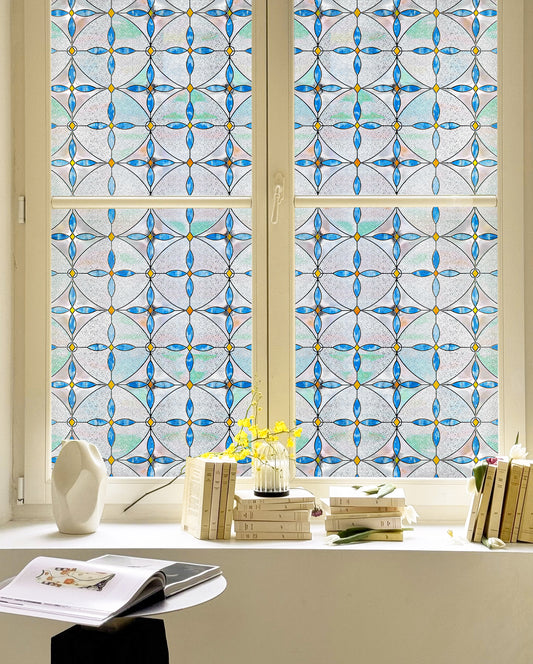

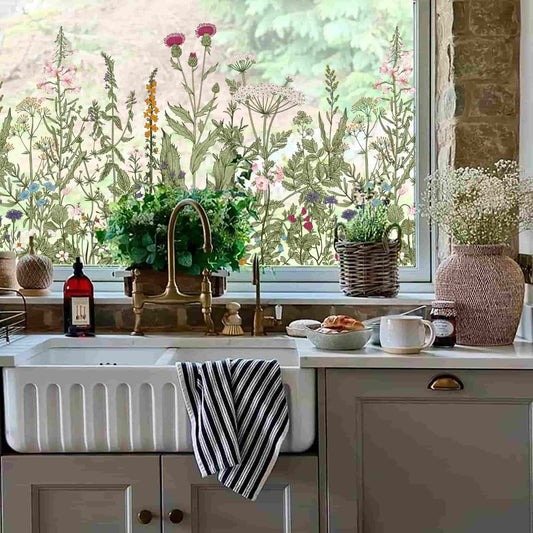

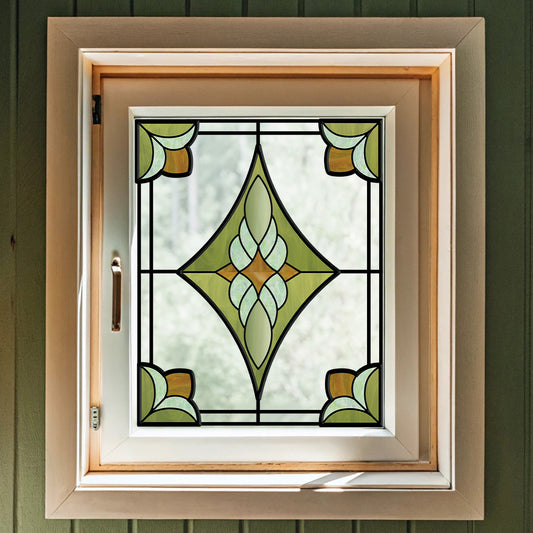



FancyFix product scope: FancyFix's current decorative window films are sold for decorative and product-specific visual-screening effects. They do not have approved UV-blocking, heat-reduction, insulation, energy-saving, security, soundproofing, or one-way/nighttime-privacy ratings. Check the linked product page for facts about a specific design.
Window films are a stylish and practical choice for enhancing privacy and decor in homes. However, homeowners and renters often face several challenges with decorative window films. This guide offers expert advice on addressing five typical window film problems, focusing on installation nuances and product selection criteria.
1.Dealing with Fading

Fact check: FancyFix decorative window films do not have a verified UV-blocking percentage. Do not rely on them as rated UV protection.
2.Preventing Bubbles and Wrinkles

Improper application can lead to bubbles and wrinkles. Installation Tips: Use a high-quality squeegee for application. Clean the window thoroughly before applying the film to prevent dirt from trapping air bubbles.
Apply the film in a temperature-controlled environment to reduce wrinkling.
3.Avoiding Peeling

Poor adhesive quality or incorrect application can cause peeling. Product Selection: For adhesive films, choose ones with reliable adhesive properties. For static cling film, which has no glue, see "If your static cling film won't stick" at the end of this article. Consider the humidity and temperature of the environment during application, as these factors can affect adhesion.
4.Achieving Desired Privacy

Some films do not provide the expected level of privacy. Selection Criteria: Consider the film's opacity and reflective properties. For higher privacy, opt for stained glass window films which allow light in while obscuring visibility.
5.Controlling Heat and Light

Fact check: FancyFix decorative window films do not have verified heat-reduction, insulation, or energy-saving ratings. Choose by approved design, attachment method, surface, and product-specific privacy facts.
The Visible Light Transmission (VLT) rating is crucial – a lower VLT indicates better light control.
Addressing these common window film issues can greatly enhance the enjoyment and functionality of your window treatments. By focusing on the right installation techniques and selecting films based on specific performance criteria, you can ensure a successful and satisfying window film application.
For more detailed guides on window film installation and maintenance, subscribe our resource center.Empower yourself with the knowledge to make the best choices for your home's decorative window films.
If your static cling film won't stick
Static cling window film has no glue. It holds because the smooth side makes full contact with clean, flat, wet glass. When it will not stick, one of six things is usually in the way. Work down the list before replacing the film.
1. The glass is not clean enough. Dust, grease and old cleaner residue all break the contact. Clean the whole pane with soapy water, paying extra attention to the edges next to the frame, then rinse.
2. Not enough water. Spray plain water over the whole pane until it runs down, and wet the edges too. Peel off the backing liner and spray the smooth cling side of the film as well. The film should slide into place. If it grabs and will not move, add more water.
3. The wrong side is against the glass. The smooth side clings. The backing liner comes off first. If the film was put up with the liner still on, or with the textured side in, it will not hold.
4. The glass is cold. Install at temperatures above 50°F (10°C). Let the roll sit in the room first so it comes up to room temperature.
5. The glass is textured, frosted or uneven. Static cling film needs full contact and cannot get it on those surfaces, so we do not recommend it there. For coated, Low-E or double-pane glass, check the product specification and ask your glass manufacturer before installing.
6. The edges sit on the frame or the sealant. Trim so there is a 3–5 mm (1/8–3/16 inch) gap between the film and the frame. Film resting on the frame lets air in over time and the edges lift.
If the edges lift shortly after installing: gently lift the affected area, spray a little water, and squeegee it again from the centre outward. Allow 24–48 hours for the remaining moisture to evaporate before judging it.
The squeegee order matters. First pass from the centre out to push water and air to the edges. Trim the excess and leave the gap. Second pass from the centre out again. Then wipe the film and the sill dry.
Questions we get on this
"Mine isn't sticking is their a hack I could do?"
The hack is water. Re-clean the glass, soak both the glass and the cling side, reposition, and squeegee from the centre out twice. Check the six points above if it still lifts.
Do I need a special solution to put it up?
No. Plain water to apply. Soapy water only for cleaning the glass beforehand.
I took it down to reposition it and now it clings less. Why?
Dust or oil on the cling side. Wipe the smooth side with a wet wipe or soapy water, let it air-dry, and reapply with plenty of water.
Will it stick if the edge touches the frame?
Not for long. Leave the 3–5 mm gap. Film resting on the frame or sealant lets the edges come up later.
Can I put it on frosted or textured glass?
Not recommended. The film cannot make full contact on those surfaces.
Browse our static cling designs: https://fancyfix.shop/collections/static-cling